

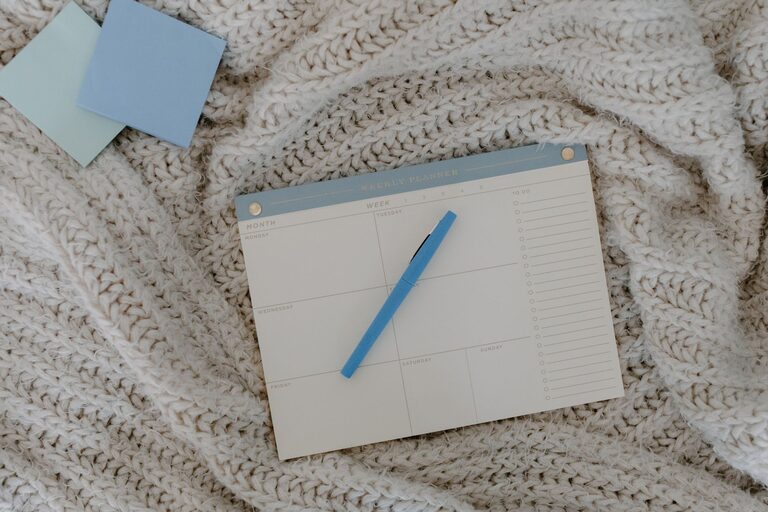
Taking a break from the busy pace of everyday life is essential for maintaining balance and well-being. A no-stress weekend allows you to recharge, refocus, and enjoy your time off without feeling overwhelmed. Planning such a weekend may sound easy, but it requires some thoughtful preparation to ensure it truly feels restful. Here are practical tips to help you design a no-stress weekend you’ll look forward to each week.
Why Plan a No-Stress Weekend?
Weekends often come with a long to-do list—house chores, errands, social commitments—that can leave you feeling just as worn out as the workweek. Planning ahead helps you prioritize rest and enjoyable activities, so your weekend becomes a genuine break rather than an extension of your busy schedule.
Step 1: Set Realistic Expectations
Be Honest About Your Needs
Start by reflecting on what you really want from your weekend. Do you need quiet time, social interaction, physical activity, or creative outlets? Avoid overloading your weekend with too many goals. Instead, choose a few simple priorities that will help you feel refreshed.
Limit Your To-Do List
If tasks need to be done, keep your list short and manageable. Avoid trying to tick off everything at once; spreading chores throughout the week can help ease weekend pressure.
Step 2: Schedule Downtime
Block Time for Relaxation
Put dedicated relaxation time on your calendar just like any appointment. Whether it’s reading, napping, or meditating, these blocks ensure you make room to unwind.
Practice Mindfulness
Mindfulness activities, such as deep breathing or gentle yoga, can help keep stress at bay. Even 10 minutes of mindfulness can improve your mood and focus.
Step 3: Create a Comfortable Environment
Declutter in Advance
A clean, organized space contributes to a peaceful atmosphere. Take some time during the week to tidy your main living areas so your weekend environment feels inviting.
Set the Mood
Consider lighting, scents, and sounds that help you relax. Soft lighting, calming music, or aromatic candles can enhance your experience.
Step 4: Plan Enjoyable Activities
Choose Low-Key Hobbies
Engage in hobbies that bring you joy without causing stress. Gardening, cooking a favorite meal, or gentle walks in nature are great examples.
Limit Screen Time
While it’s tempting to binge watch shows or scroll social media, try to balance screen time with offline activities that promote relaxation and connection.
Step 5: Prioritize Sleep
Maintain a Consistent Sleep Schedule
Try to go to bed and wake up at similar times as during the week. This helps maintain your body’s natural rhythm and improves sleep quality.
Create a Bedtime Ritual
Relaxing activities before bed, such as reading a book or taking a warm bath, signal to your body that it’s time to wind down.
Step 6: Set Boundaries
Communicate Your Plans
Let friends and family know you’re planning a low-stress weekend. This helps manage expectations and reduces last-minute invitations or requests.
Limit Work-Related Tasks
Avoid checking work emails or tackling work projects on the weekend. Creating clear separation between work and personal time is key for mental rest.
Step 7: Reflect and Adjust
End the Weekend with Gratitude
Take a few minutes to reflect on what helped you relax and what felt stressful. This awareness can guide how you plan future weekends.
Be Flexible
Sometimes plans change, and that’s okay. Being adaptable helps keep your weekend feeling stress-free rather than rigid.
—
Sample No-Stress Weekend Plan
Friday Evening
– Light dinner at home
– 30 minutes of reading or listening to calming music
– Early bedtime
Saturday
– Morning: Gentle stretching or a short walk
– Midday: Simple home-cooked lunch
– Afternoon: Engage in a hobby or watch a movie
– Evening: Call a close friend or journal
Sunday
– Morning: Sleep in, followed by a healthy breakfast
– Midday: Visit a park or spend time in nature
– Afternoon: Meal prep for the upcoming week
– Evening: Relaxing bath and early bedtime
—
By planning your weekend with intention and care, you can create a no-stress routine that refreshes your body and mind. Remember, the goal is to enjoy your time off, not to fill it with more pressure. Try these tips, adjust them to fit your lifestyle, and embrace the peaceful weekends you deserve.