

Keeping a tidy fridge and pantry can transform your kitchen experience. Not only does an organized space make it easier to find ingredients, but it also helps reduce food waste and keeps your kitchen hygienic. Whether you have a small fridge or a spacious pantry, these practical tips will help you maintain order and cleanliness with minimal effort.
Why Organizing Your Fridge and Pantry Matters
Before diving into the how-to, it’s good to understand why keeping your food storage areas neat is important:
– Reduces Food Waste: When you can see what you have, you’re less likely to forget items that expire.
– Saves Time: Finding ingredients quickly speeds up meal preparation.
– Improves Food Safety: A clean, organized fridge helps prevent cross-contamination.
– Enhances Aesthetic Appeal: A tidy space simply feels welcoming and encourages good habits.
Let’s explore how you can keep this part of your kitchen in top shape.
Step 1: Clear Everything Out and Clean
Before you start organizing, empty your fridge and pantry completely. This allows you to:
– Check expiration dates and toss anything old or spoiled
– Wipe down shelves, drawers, and walls with mild soap and water
– Dry all surfaces thoroughly to prevent mold and odors
Regular cleaning (about once a month) keeps your storage fresh and hygienic.
Step 2: Categorize Your Items
Grouping similar items together makes your kitchen easier to navigate.
In the Fridge
– Dairy: Milk, cheese, yogurt
– Meats and Proteins: Raw and cooked meat, tofu
– Fruits and Vegetables: Use separate drawers if possible
– Condiments: Sauces, dressings, jams
– Leftovers: Clearly labeled and stored in airtight containers
In the Pantry
– Grains and Pasta: Rice, noodles, quinoa
– Canned Goods: Soups, beans, tomatoes
– Baking Supplies: Flour, sugar, baking powder
– Snacks: Chips, nuts, granola bars
– Spices and Seasonings: Group small containers together
Step 3: Use Clear Containers and Labels
Investing in clear storage containers can drastically improve visibility. Choose airtight containers to keep pantry items fresh longer.
– Use stackable containers to maximize vertical space
– Label each container with contents and expiration dates
– For loose items like nuts or grains, consider resealable bags or jars
Labeling is key—it reminds you what’s inside and encourages you to use items before they spoil.
Step 4: Assign Zones and Arrange Smartly
Create designated areas for different food categories. Here are some fridge organization tips:
– Top Shelves: Ready-to-eat foods like leftovers or drinks
– Middle Shelves: Dairy products and eggs
– Bottom Shelves: Raw meats to avoid drips contaminating other foods
– Drawers: Fruits and vegetables, often with adjustable humidity controls
– Door: Condiments and small jars, since this is the warmest part
For the pantry:
– Place frequently used items at eye level
– Store heavier items like large cans on lower shelves
– Keep snacks and kid-friendly foods within easy reach
Regularly reassess your zones to match your cooking habits.
Step 5: Use Smart Storage Solutions
Several tools can help keep your fridge and pantry tidy:
– Lazy Susans: Great for condiments or spice racks, making items easy to access
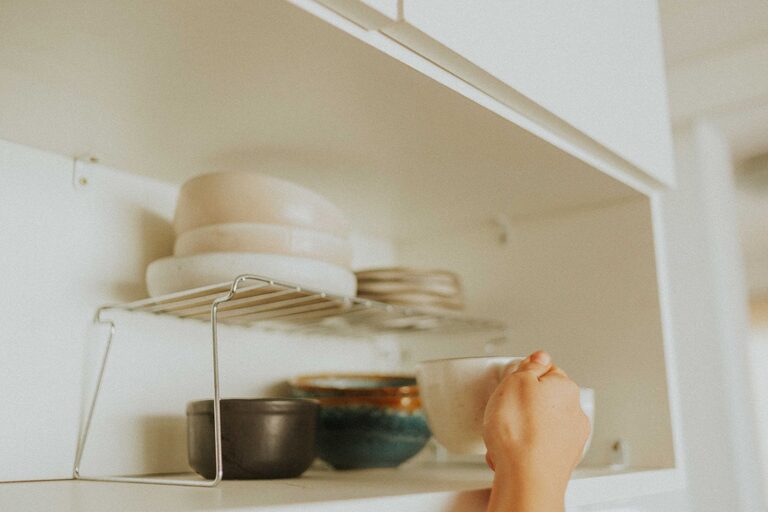
– Shelf Risers: Double your shelf space by creating a second level
– Bins or Baskets: Group small packets or snack bags to avoid clutter
– Chalkboard or Dry-Erase Boards: Track what you have and what you need to buy
Step 6: Establish a Routine
Consistency is key. Set aside a few minutes each week to:
– Check for expired or spoiled items
– Wipe down any spills immediately
– Rotate foods so you use older items first (“first in, first out”)
This simple practice prevents buildup and keeps your storage areas functional.
Additional Tips to Maintain a Tidy Fridge and Pantry
– Avoid overcrowding; leave some space for air circulation
– Keep a shopping list visible so you avoid duplicates
– Use smaller containers to avoid buying in bulk if space is limited
– Freeze items you won’t use soon to extend their shelf life
Conclusion
Keeping a tidy fridge and pantry doesn’t have to be overwhelming. With a clear system, proper storage tools, and regular upkeep, you can maintain an organized kitchen that supports your healthy eating and cooking habits. Start small by decluttering today—your future self will thank you!